Jewish Holidays in Israel: A First Guide
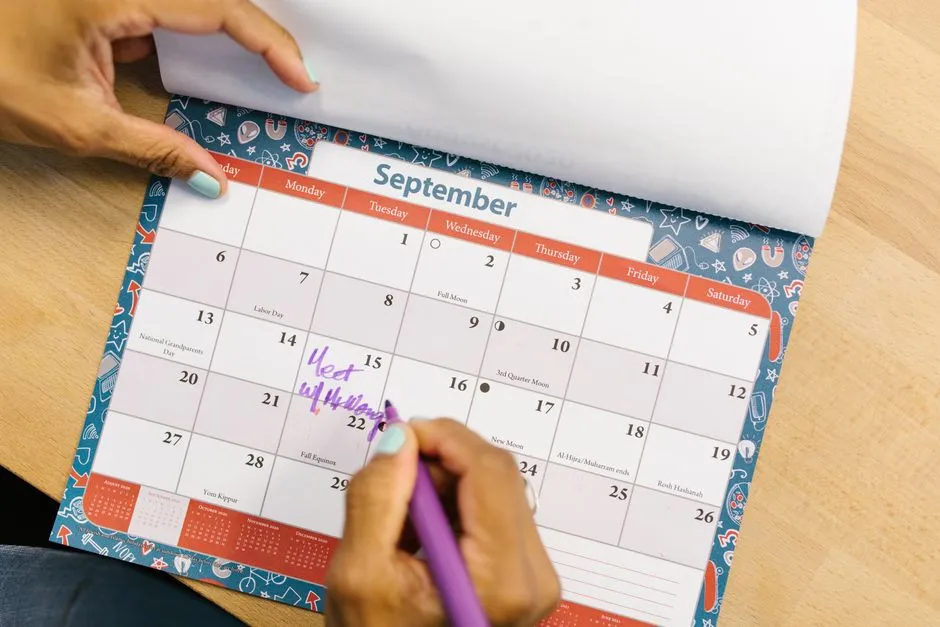
Holidays shape both home and public life
Jewish holidays in Israel can affect meals, worship, schools, government offices, shops, entertainment, and transportation, but the pattern varies by holiday and community. Many begin at sunset and end the following evening or after several days. The Union for Reform Judaism's holiday calendar states that its listed Jewish holidays begin at sunset and that its displayed date ranges run to dusk on the last listed day. Use that source for date boundaries, not as an Israeli service timetable. Learn the meaning and practical rhythm separately: a holiday can be spiritually central without producing the same closure pattern everywhere.
Use a current Hebrew-Gregorian calendar and verify every travel date against the current service, venue, airline, and Israel Airports Authority schedule. Do not use an older annual dataset as a current operating calendar.
Meet the autumn cycle
Rosh Hashanah begins the Hebrew year and is associated with reflection, prayer, festive meals, and symbolic foods that vary among communities. Yom Kippur follows as a solemn day of fasting and prayer for many Jewish people. Many services close or change, and Ben Gurion Airport has a scheduled closure period. The current Israeli Aeronautical Information Publication lists the airport closure window; verify the exact year's airport and airline schedule before booking.
Sukkot comes next, centered on temporary booths called sukkot and a week-long festival period. Simchat Torah concludes the cycle with celebration of the annual Torah-reading cycle. Exact observance and additional days differ by tradition and location.
Follow winter and early spring
Hanukkah lasts eight nights and is marked by lighting an additional lamp each night, along with songs, games, and foods associated with oil. It is culturally visible but does not create the same public shutdown as every major festival.
Purim features the Book of Esther, costumes, gifts of food, charity, and festive gatherings. Check a current calendar and the host community's schedule because local observance details can differ.
Understand the spring festivals
Passover, or Pesach, begins with the seder and centers on the Exodus story and avoiding chametz in observant practice. Food availability and household practice vary widely. Shavuot follows seven weeks later and is associated with the giving of the Torah; study, synagogue services, and dairy foods are common customs, though not universal.
The Hebrew calendar guide explains why all these Gregorian dates move.
Distinguish festivals from national days
Israel also marks remembrance and national civic days on the Hebrew calendar, as well as holidays of Muslim, Christian, Druze, Bahá'í, and other communities. These are not interchangeable categories. A respectful learner asks what a day means to the people observing it rather than flattening the calendar into “things that might close a museum.”
Plan participation with curiosity
If invited to a meal or service, ask about dress, arrival time, food, photography, devices, and whether bringing something is appropriate. Practices differ among religious movements, ethnic traditions, families, and secular households.
For travel logistics, use the holiday planning guide and the Shabbat guide. Verify opening hours and transportation directly, especially on holiday eves. Learn one appropriate greeting, but do not assume every person is observing. A simple “Do you celebrate?” leaves room for an actual answer.
School vacation dates and workplace schedules do not always match the religious boundaries exactly. Families may travel, host, work, volunteer, or observe quietly. Check the institution's current calendar before planning around children, meetings, or appointments.