Israeli Culture
Hebrew Food Words for Menus and Markets
Useful Hebrew food words include לחם (lechem, bread), מים (mayim, water), גבינה (gvina, cheese), ביצה (beitza, egg), ירקות (yerakot, vegetables), חריף…
Culture is plural: religious practice, family tradition, region, language, and personal taste all shape everyday life in Israel. These guides describe common patterns without turning them into rules, so visitors and learners can observe, ask, and participate more thoughtfully.
Useful Hebrew food words include לחם (lechem, bread), מים (mayim, water), גבינה (gvina, cheese), ביצה (beitza, egg), ירקות (yerakot, vegetables), חריף…
For an invitation to an Israeli home, ask the host about timing, meal format, dress, dietary practice, device use, and what to bring.
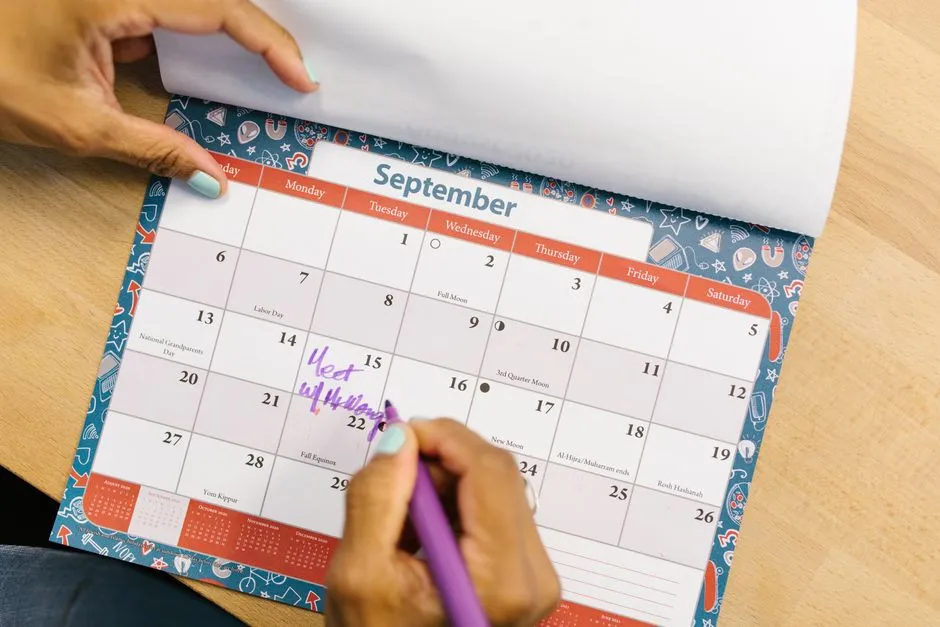
Jewish holidays in Israel shape religious, family, school, business, and travel schedules in different ways.
At an Israeli café, identify whether service is at the table or counter, greet with shalom, and order with a concise phrase such as אפשר… בבקשה?

Plan Israeli holiday travel by matching the Hebrew date to the correct Gregorian year, including the preceding evening, and checking every transport…

Shabbat runs from Friday evening into Saturday evening, but its practical effect in Israel varies by community and business.
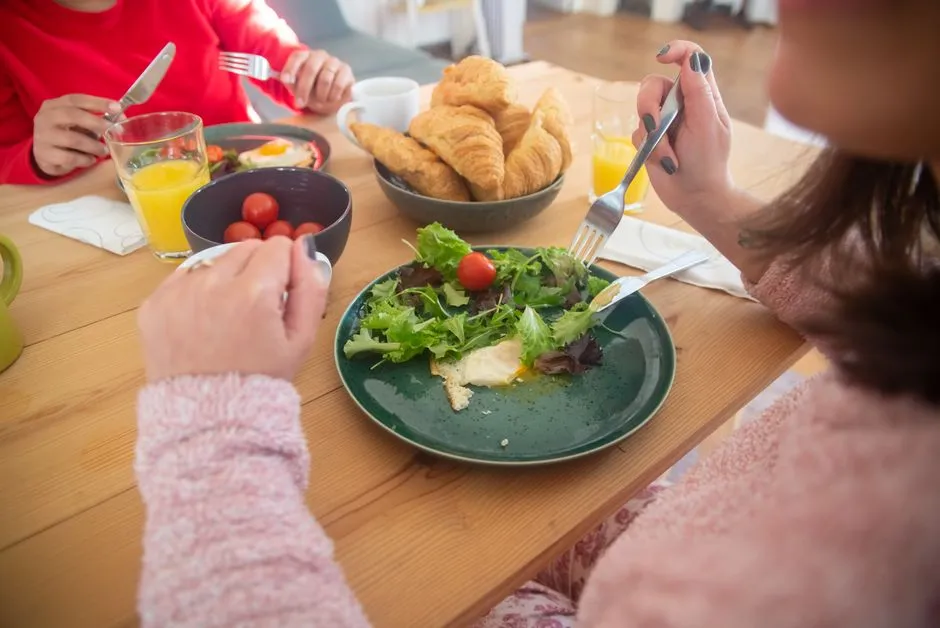
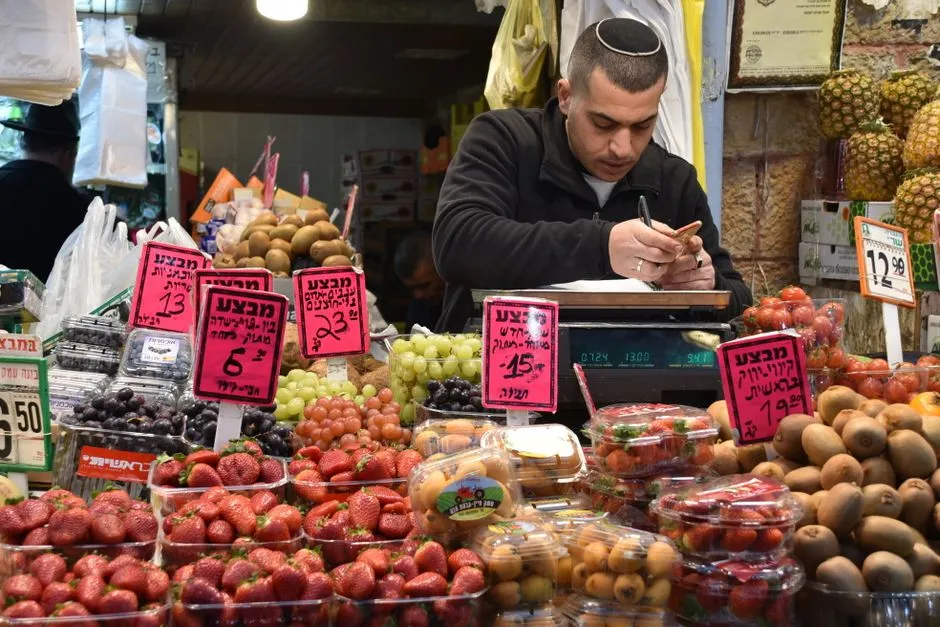
At an Israeli open-air market, verify current hours, observe whether vendors or customers select produce, and ask before tasting or handling delicate items.
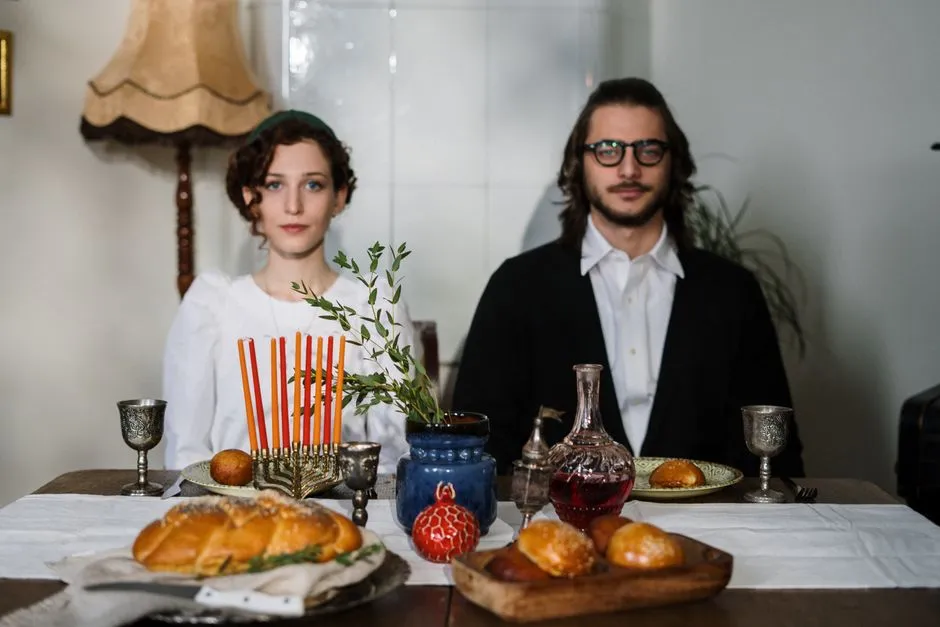
The Hebrew calendar is lunisolar: its months follow lunar cycles, while leap years add a month to keep festivals aligned with their seasons.
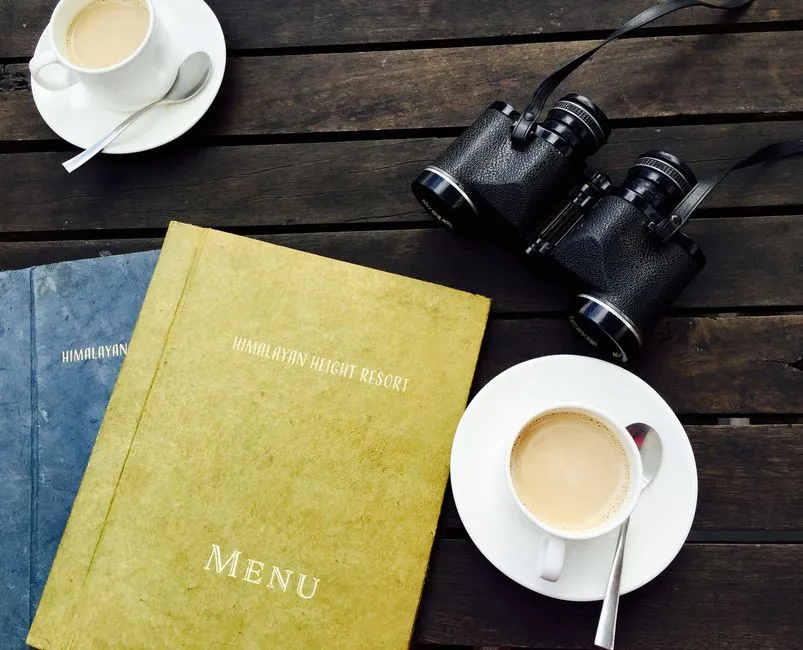
An Israeli breakfast is typically a varied spread rather than one fixed plate.
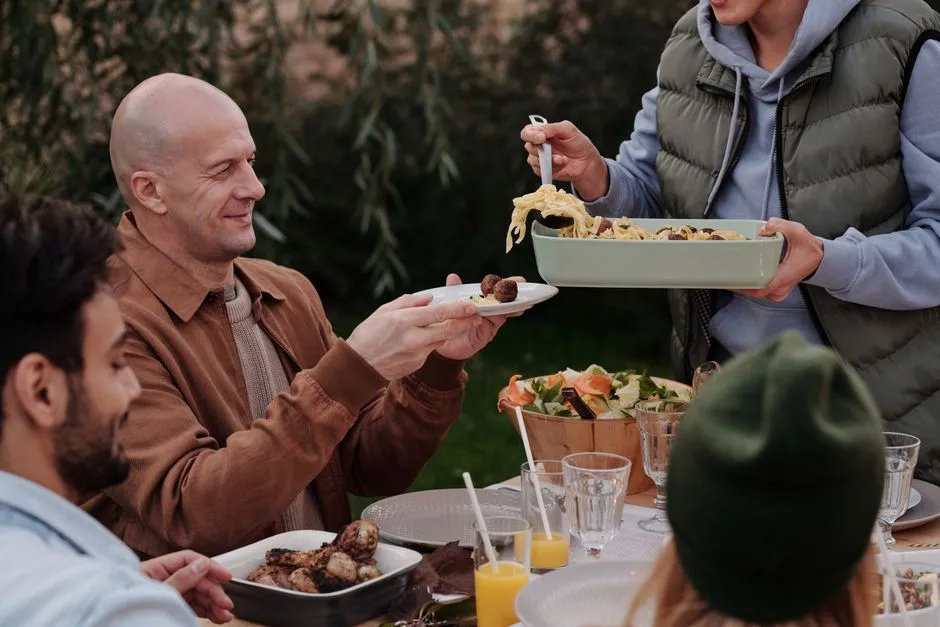
Israeli communication may feel more direct, fast, overlapping, or informal than some visitors expect, but this is a broad tendency, not a rule about every…